Welcome to the Carolyn Parr Nature Center
Hours of Operation
Wednesdays 10 AM - 4 PM | Saturday + Sunday 1 PM - 4 PM
Closed on Holidays
Admission to the center is free
Hours of OperationWednesdays 10 AM - 4 PM
Saturday + Sunday 1 PM - 4 PMAdmission to the center is free
We are a non-profit, volunteer-only and community based Nature Center and Museum. Our mission is to provide education and community surrounding Napa's native natural environment to people of all ages. The Center is named for Carolyn Parr, whose generous bequest provided for its establishment in 1981.All programs are free to members of the Nature Center, and only $10 per adult for non-members. Group tours and school classes can be scheduled during the week by calling the Nature Center.
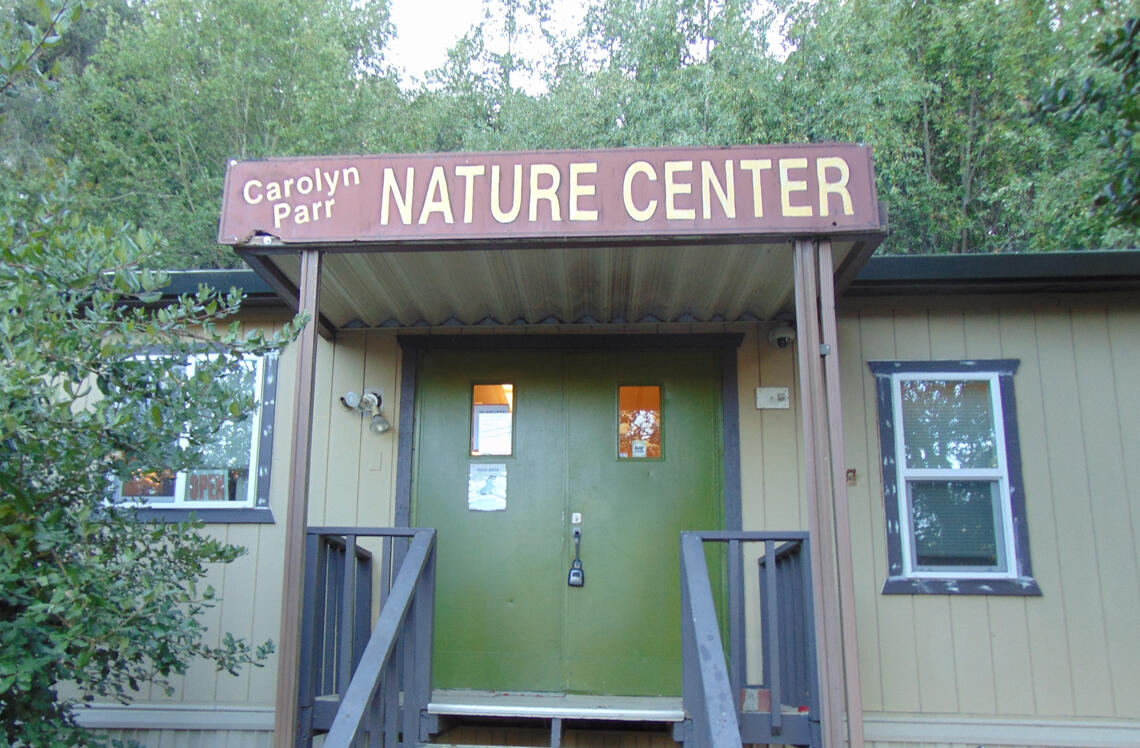
The Carolyn Parr Nature Center is an all-volunteer organization. Docents staff the center Wednesdays and weekend afternoons and host tour groups. Volunteers support general operations. They construct displays, assist with publicity and fundraising, and perform maintenance tasks. The only requirement for volunteers are interest and enthusiasm. All necessary training is easily provided.Please click the buttons below to learn more about us or how to become a volunteer!
upcoming events
Come get involved with our activities and educational programming! Please visit our facebook page for the latest news and updates. If you're interested in scheduling a tour, checking out an event, or becoming a member, head over to our contact page for more information!
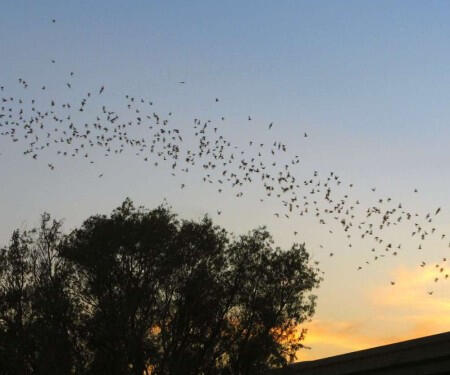
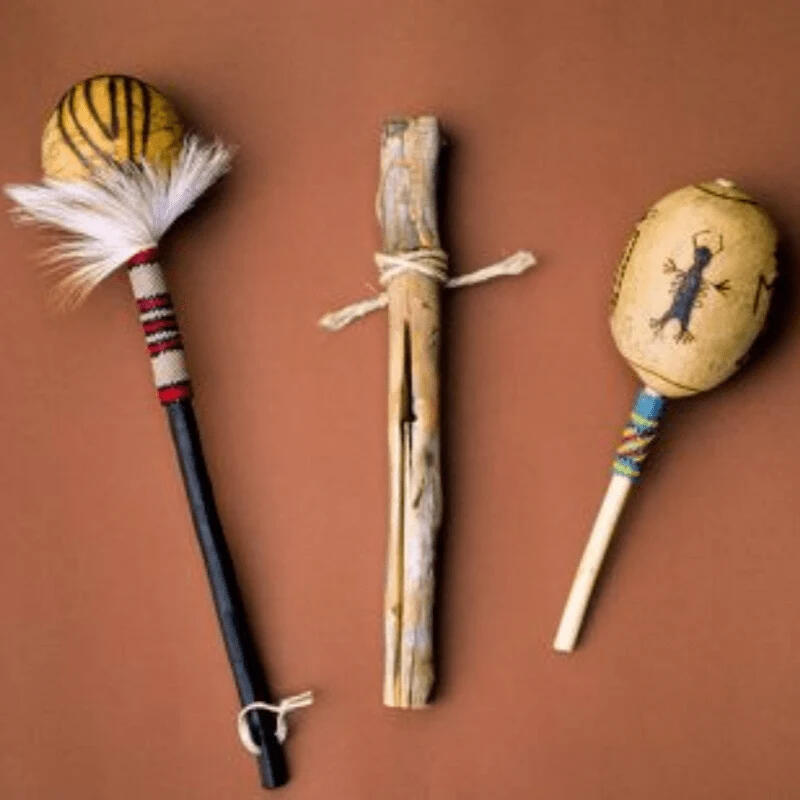
Coast Pomo Cultural Presentation
Saturday, November 14th, 2026
Come see Corky Quirk and her live bats!
from our museum
We have 5 biome based exhibits representing our surrounding Napa habitats: Wetlands, Chaparral, Woodlands, Riparian, and Grasslands. We also have a Raptor display as well as bird skulls, curio cabinet, and skulls and pelts.In addition to our stunning collection we host a naturalist library, geological displays, an interactive quiz board and many other natural artifacts and seasonal displays!


lend a hand
Interested in helping out the Nature center, or have some questions regarding local wildlife? Here is some information and a few suggestions that will help you get started!
Helping the Nature Center
The Carolyn Parr Nature Center is managed by the wonderful volunteers of the Napa Valley Naturalists. If you would like to help in any way, please see our JOIN US page for more information, or contact us at cpnaturecenter@gmail.comWildlife Rescue Center
Found sick or injured wildlife? Napa Wildlife Rescue can give you information on what to do if you find a sick or injured animal to ensure they get back to their proper home. For further information call
(707)-224-HAWK (4295)
About Us
our mission
The Carolyn Parr Nature Center is dedicated to helping people of all ages learn more about their local natural environment.The Napa Valley Naturalists (NVN), a non-profit education group, is the sponsoring organization of the Carolyn Parr Nature Center. The organization’s fundamental belief is that education is the key to the preservation, protection and conservation of our precious natural habitats. The organization’s goal is to operate and maintain a natural science museum where individuals of all ages may acquire a greater understanding of, and have opportunities for a closer relationship with, their natural environment.
our museum
The Carolyn Parr Nature Center is a museum and community center focused around Napa Valley's native flora and fauna. Boasting a large collection of taxidermy displays as well as other specimens, to help expand visitors appreciation and understanding of our local ecology.Our property has several large displays surrounding our native habitats, and the types of animals and plants seen here in Napa, California. We pride ourselves on representing and respecting our native and local ecology. Our docents love educating the public on our beautiful city and state. All the plants and animals in our displays are indigenous to Napa County!


As well as our educational displays we host a substantial library and carpeted child's play area, including games, coloring, and a sensory touch area stocked with furs and skull of our native animals to enhance tactile learning and fun.


We host events, tours, school trips, guided hikes, as well as being open to the public:
Wednesdays 10-4, Saturdays and Sundays 1-4
Founded in 1978 by the Napa Valley Naturalists, passionate local volunteers, concerned about our natural environment. Our loyal group of docent volunteers and active board members maintain and operate the Center year-round. Throughout the year, we offer special programs and guided tours to school children in addition to our regular public hours. Admission to the center is free. Financial support to maintain operations comes from center members, individual donations, museum gift shop sales and grants.
If you are interested in joining the Carolyn Parr Nature Center, please see our Join Us page for more information. We are always excited to have new volunteers, to help you enjoy and learn more about our natural resources here in the Napa Valley while extending knowledge and experience to others.
carolyn parr's story
The Carolyn Parr Nature Center is run by The Napa Valley Naturalists, an organization founded in 1978 by a group of local citizens with diverse but intense concerns about the environment.
At the time of her death in 1980, one of those members, Carolyn Parr, left her modest estate for the purpose of establishing a nature center.Carolyn Parr’s primary personal interest was in wildlife rescue and rehabilitation, and her vision had been to create something similar to Walnut Creek’s Lindsay Museum, where displays, programs for children, and wildlife rescue all take place at the same location. Using her bequest, the executors of Carolyn Parr’s will purchased a doublewide mobile home and arranged for it to be sited on the back parking lot of Vintage High School. Unfortunately, this space and site were inadequate for the combination conceived. There were problems with lack of security and vandalism, and there was not enough space to keep the rehabbing wildlife separate from the public, which is an absolute necessity in terms of the law as well as the success of the venture.For this reason, the Wildlife Rescue component immediately split off from the Nature Center, and was run by NVN member Connie Bogosian from her personal dwellings for the next ten years. In 1990, when Connie retired, the NVN board assisted with the establishment of a separate organization, Wildlife Rescue of Napa County, which is the current provider of these services in Napa County.Meanwhile, arrangements were made in 1984 to move the museum to the foot of Westwood Hills Park, where it has more public exposure than at its former site. Carolyn Parr Nature Center now sits on city property and is easily accessible to the public using the adjacent parking lot.
Tours
We offer a range of tours of both the Nature Center and nearby Westwood Hills Park. Our docents host museum tours and guided hikes highlighting local animals and native plants. General and School Tours include both our museum and our native garden. Guided hikes can be booked on their own or added to any tour booking for an additional fee.
Explore our habitat displays in the museum showing beautiful preserved specimens in recreations of their habitats.
Tour our native plant garden and learn how you can support local ecology in your own backyard.
Join us on a guided hike through scenic Westwood Hills Park and learn from our docents about how to appreciate the nature all around us through identification of local species as they live, and hands on interaction with the museums collection.
Public Tours - $10 per person
School/Education Tours - $5 per child (no fees for chaperons/teachers)
Guided Hikes - $10 per person ($5 per child as school tour addition)
Offsite Presentations - $75 (Please contact us for more information)Tours are available Monday, Tuesday, Thursday, Friday. First bookings available at 9:30am, last bookings available at 1:00pm. Alternate time slots available upon special request dependent on docent availability. Contact us directly by email for more information.Max tour size 30 per group or class.
General Tour
The Carolyn Parr Nature Center hosts educational tours for small groups and families hoping to learn more about the natural beauty of Napa. These tours can be catered to the groups' specific interest, or a general tour of our unique and engaging collection highlighting native Northern Californian ecology.This particular tour is a great option for birdwatching groups, hiking groups, social clubs, and more!For an additional $10 per person a guided hike may be taken along with your tour.
See our Guided Hike option for more details.
School Tour
School Tour Curriculum Standards:Life Science – Grades K-6thEarth Science – K, 1st, 2nd, 4th, 5thEcology, Resources – 6thThe tour is comprised of two elements approximately 20 minutes each after a brief introduction about the basic concepts of conservation:
First students will go on a tour of the 5 habitat displays, the collections of raptors, a mountain lion, bears, and some non-native animals.
Then students will go outside (when possible) with a docent to learn about the food chain and interdependence of native plants and animals, and learn with skins and skulls afterwards when time allows
Classes over 15 students will need to be be split into two groups, one group will do the outside portion while the other will do the inside portion, and then switch.
The field next to our building as well as Westwood Hills Park can be used at your discretion separate from your visit to the Center. Picnic tables are available under the trees in the park.For an additional $5 per child, a guided hike can be hosted by our docents along with the tour.
See out Guided Hike option for more details on our hikes.
Guided Hike
Join our dedicated docents for a guided hike through our neighboring Westwood Hills Park! The hike will take you to the peak, with a beautiful view of the valley. Along the way we will stop to learn about both the plants and animals both native and introduced, and the way they interact. We bring parts of our collection along to experience the way these creatures live and to provide active examples of their habitats and behavior.The hike takes approximately 60-90 minutes. There is a limit of 20 persons per hike. We typically take the Summit Trail to the peak, and modular trails to descend. We are able to accommodate a range of experience, ability, and ages by taking varying paths through the park. Please list in the form under the Additional Information section if you have a particular accessibility questions or concerns.
Events
We host monthly events here at the Nature Center, including:
Animal Encounters
Educational Speakers
Ecology Community Events
PRICINGInfants (3 y/o and under). . . . . . . . . . Free
Youth (14 y/o and under) . . . . . . . . . . . $5
Non Member Adult . . . . . . . . . . . . . . . $10
Members . . . . . . . . . . . . . . . . . . . . . . . .Free
We are proud to host these local, conservation focused professionals to help us achieve our goal of community wildlife and nature education.Stay updated to our upcoming events by joining our mailing list or keeping an eye on our Ticketleap page.
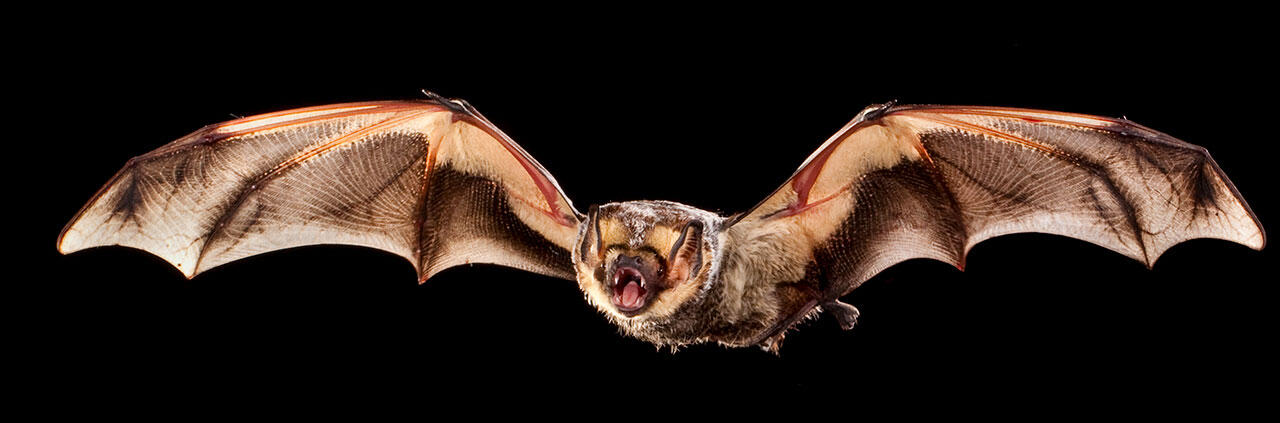
- Bats with Corky Quirk -
Saturday, October 17th, 2026
Saturday, October 17th, 2026
⚲ 3107 Browns Valley Rd, Napa, CA
NorCal Bats is dedicated to the rescue, rehabilitation and release of bats throughout Northern California. In addition, they are committed to public education regarding the environmental benefits of bats and dispelling fears and myths that lead to the death of roosts and colonies.Tickets available now.
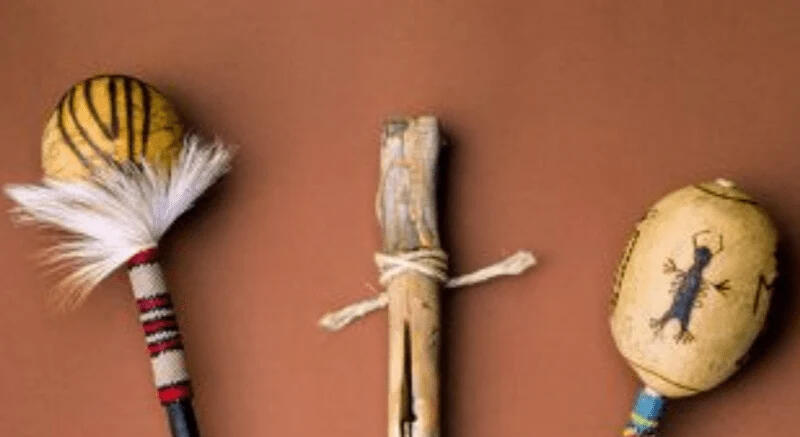
- A Morning with Sal Garcia — Coast Pomo Cultural Presentation -
Saturday, November 14th, 2026
Saturday, November 14th, 2026
⚲ 3107 Browns Valley Rd, Napa, CA
Join us for a special presentation with Sal Garcia-Pinola, a member of the Coast Pomo community and a cultural educator with the Suscol Intertribal Council. Sal has shared Native American traditions and knowledge with schools and community organizations throughout the region, helping others learn about the enduring cultures of California’s Native peoples.Tickets available now.
Want to Stay Updated?
Join Us!
MEMBERSHIP - Members support our museum with an annual fee that gives them free entry to the many events hosted at the Carolyn Parr Nature Center. With membership levels fitting every need, we hope to see you join our mission in preserving and appreciating native Napa Nature. Come for events that included live animal visits, guest lectures as well as arts and crafts! Join us today and support the CPNC!
Membership
We offer several types of membership options:
Student - $10 - Must provide a valid student ID in person, online membership must use your educational institution's email. If you wish to receive our updates on your main email, contact us
Senior (65+) - $10 - a discounted price for some of our most valued community members
Individual - $20 - This membership entails a single person aged 13 or over
Family - $50 - Includes all immediate family members
Patron - $100 - A generous donation that comes with all the benefits of a family membership plus a thank you feature in our quarterly newsletter
Would you like to add an additional donation? After submitting your form, see the "Donate" page.
VOLUNTEERING - The Carolyn Parr Nature Center is staffed entirely by volunteers who perform all the operations to keep our center open and free to the public! Docent volunteers are museum educators, who choose to spend their time educating others about native Napa nature. Other museums operations performed by volunteers include housekeeping, gardening, education, events and community outreach! This goes to show how much our volunteers care about our mission, our ecosystem and appreciating our community! Join us as a Volunteer today!
Volunteer
Volunteers will come in on a case by case basis, for event hosting, tour assistance, grounds keeping, public outreach events or other unique opportunities based around your individual skill set.Docents will open and run the center from 1-4 on a weekend day of your selection per month, as well as being able to help host events, lead tours and hikes, help with grounds keeping, outreach, and participate in board meetings to help improve the Center.
Meet Our Docents
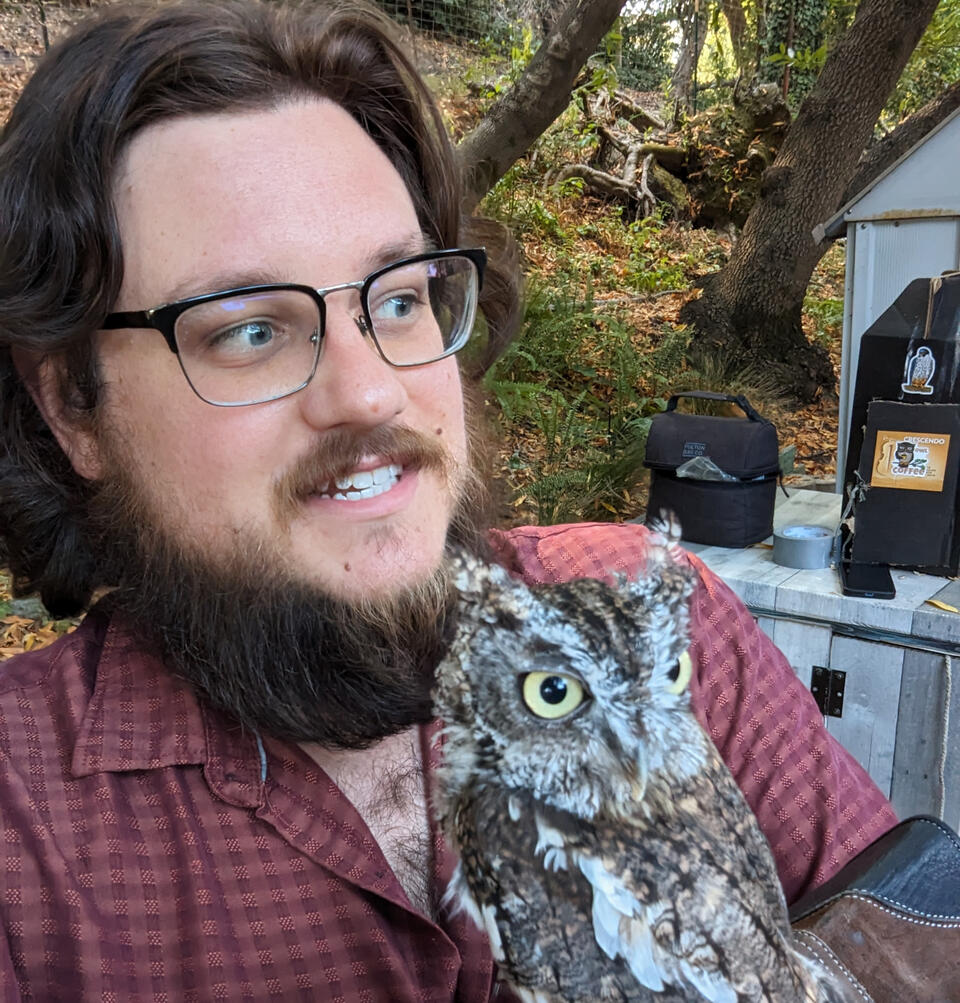
Alex Lyman
Alex is passionate about museums and public education. He visited the Center often as a child, and was excited to bring his expertise when he moved back to Napa.
Rabbit Hardt
Rabbit began volunteering in March 2023. She enjoys teaching visitors about wildlife conservation and appreciation. She is an avid birder and hiker, and works with our partners at the Napa Wildlife Rescue.
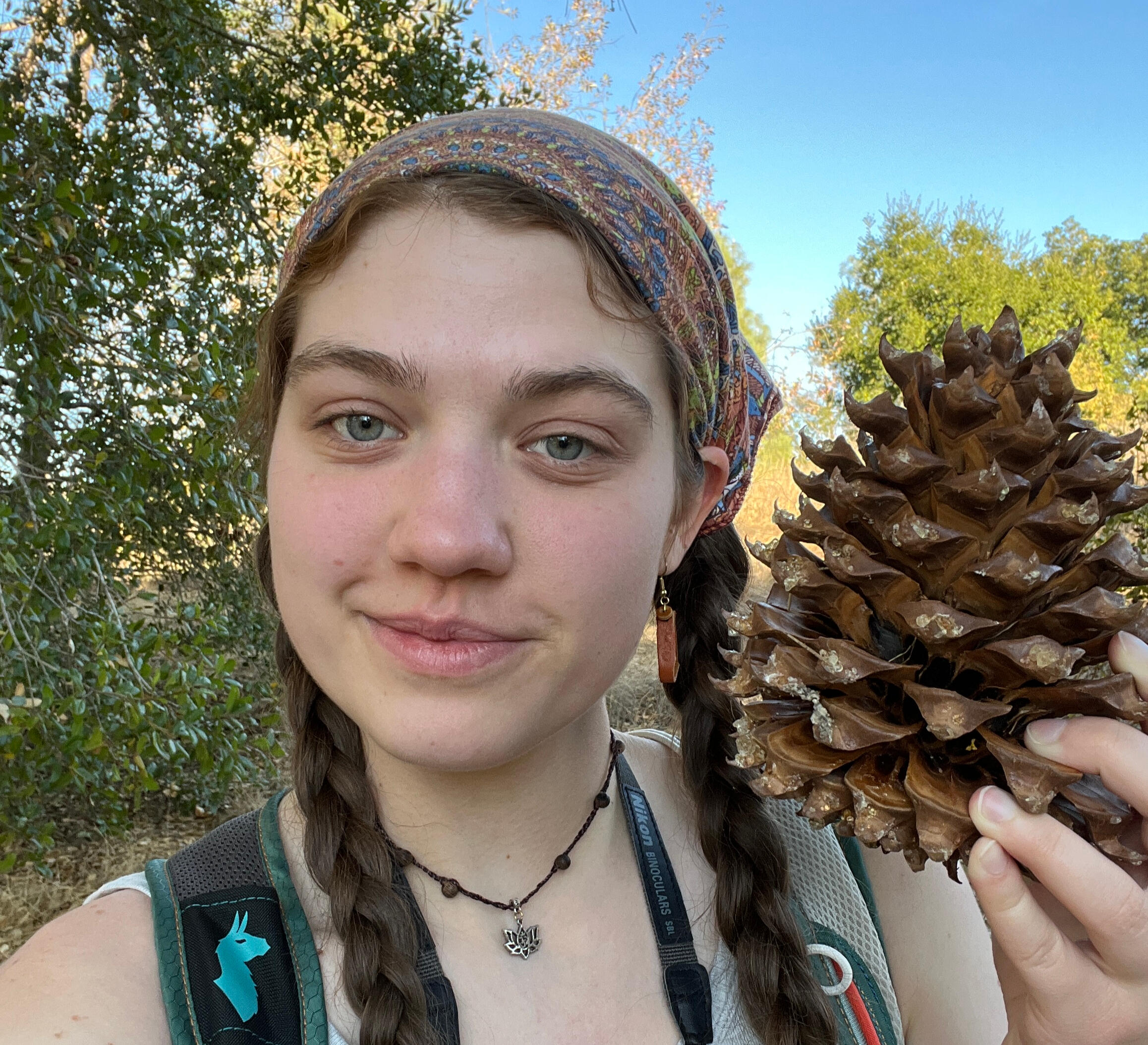
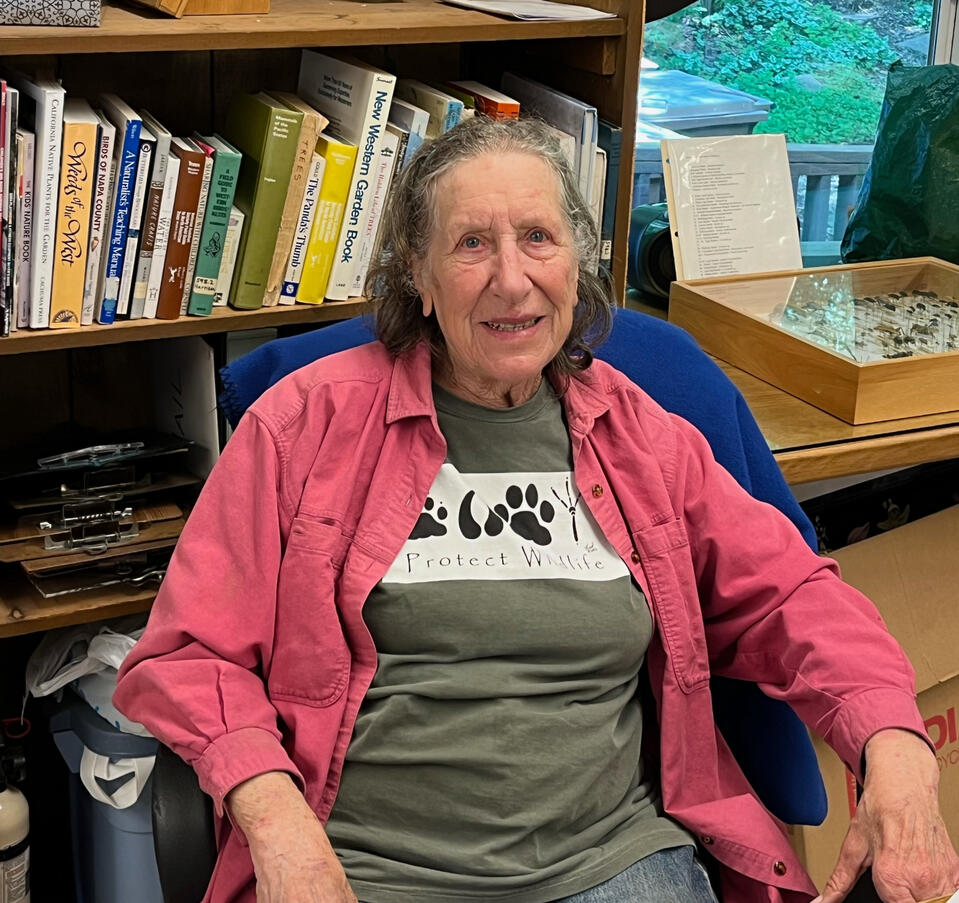
Joyce Nichols
Joyce began volunteering in 2001, spurred by her daughter and friends. Joyce's love for native plants and educating our community set a standard that we all strive for.
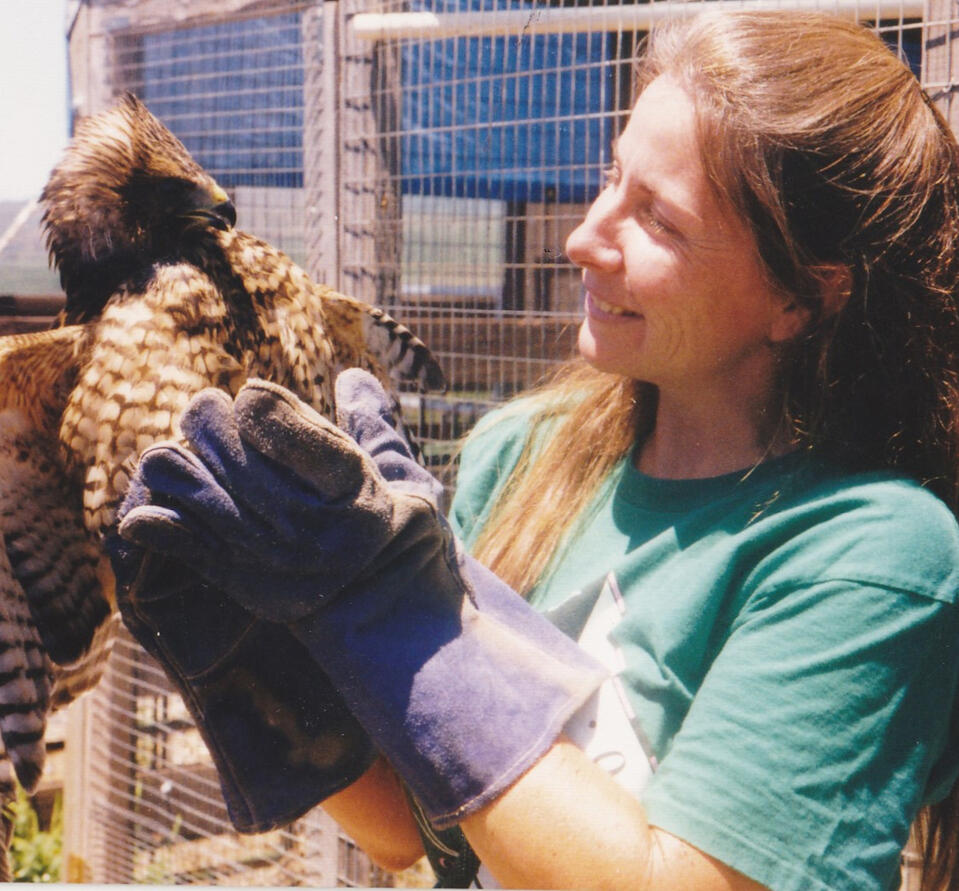
Karen Swain
Began volunteering in 2000, Karen has enjoyed the Center's ability to help her share her long lasting love for the outdoors and knowledge of animals and their behavior.
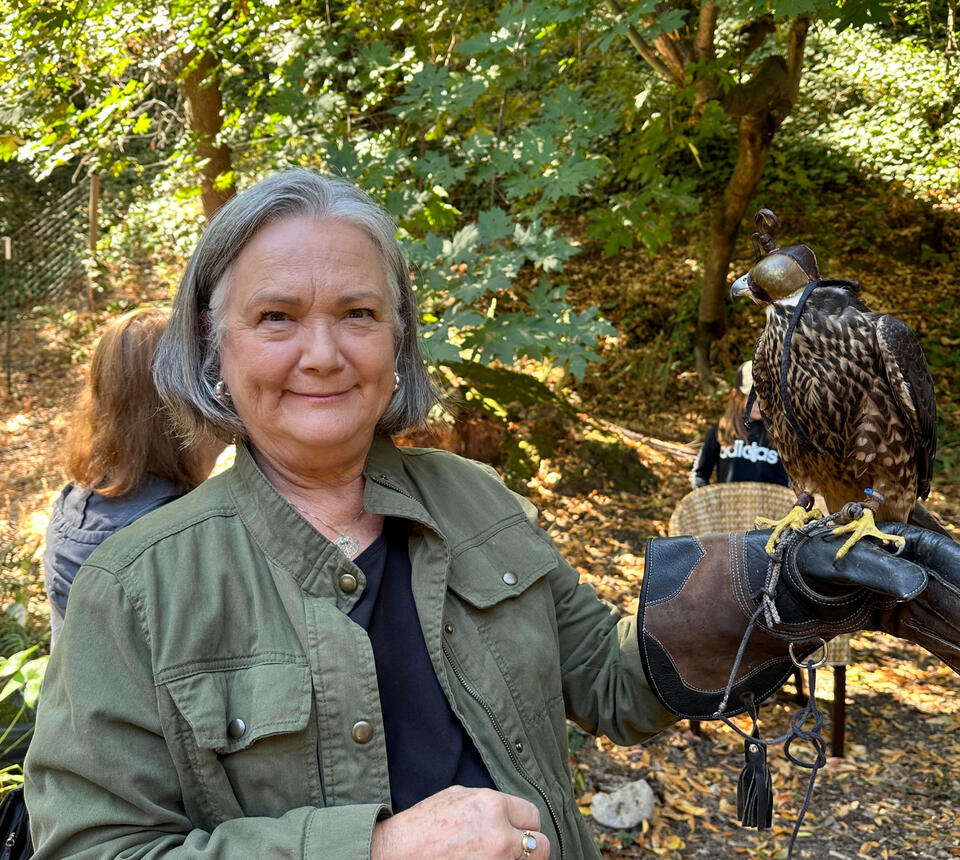
Nancy LaFortune
Nancy began volunteering July 2023, currently serving as CFO, she enjoys chatting with visitors and is very involved in Napa's history and genealogy.
Stephanie Dahl
Stephanie began volunteering in Fall 2024, after visiting with her grandson. Sharing her love and knowledge of nature with him has extended to our community. She currently serves as board president.
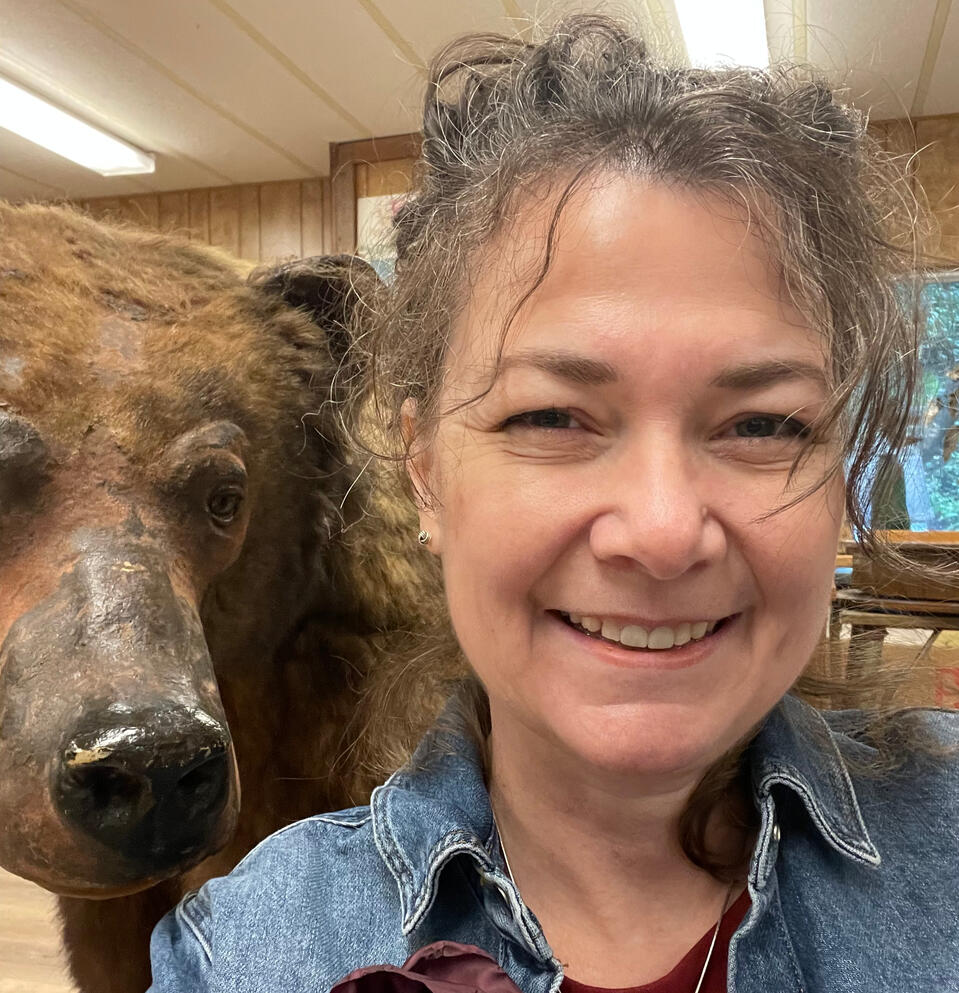

Dan Kriedt
Shortly after the 2014 Napa earthquake, Dan was walking past the Center and saw that our facility had fallen off of the foundation. He stopped in to see if he could help and has been here ever since!
Adrienne Molieri
Adrienne has been volunteering at the Nature Center since 2018. Her interests in birding and ecology started in high school and continued through college in Ohio. Bringing awareness of the beauty of nature to adults and children is her goal.
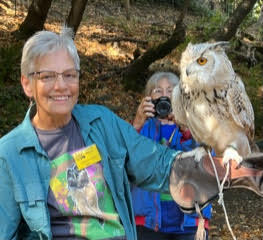

Could Be You!
Contact us through email or our Join Us tab to start volunteering with the Center!
Newsletter


Want To Join Our Newsletter?
Send us your Email Address and we'll make sure you get every issue as it comes out, as well as staying updated with our upcoming events!
Make a Donation
Donations are what keep the Carolyn Parr Nature Center running and open to the public. We are a non profit, all volunteer institution. Your donations go directly to improving the museum and providing better outreach to our community.Donations are tax deductible.We also collect donations through mail; cash or check can be sent to our address below.Carolyn Parr Nature Center
3107 Browns Valley Rd.
Napa 94558Every donation helps!We appreciate your support!
Thank you.
Donate Here

Carolyn Parr Nature Center's
Native Plant Garden
The Carolyn Parr Nature Center’s native plant garden celebrates the beauty and diversity of Napa Valley’s natural landscape. Our garden features plants that are naturally adapted to our local climate, soils, and wildlife.Native plants play an important role in a healthy ecosystem. They provide essential food, shelter, and habitat for birds, butterflies, bees, and other native wildlife. Once established, many native plants also require less water and maintenance than non-native species, making them an important choice for conserving water and supporting a healthier environment.As you explore the garden, take a closer look at the plants and the wildlife they attract. We hope you’ll discover how beautiful native plants can be—and be inspired to add some to your own garden to help create habitat for Napa Valley’s wildlife.
Plant List
California Buckeye
Aesculus californica - The seeds can be processed to eat similar to acorns. Seeds were buried by Native Americans in cold swampy ground during the winter to release their bitter taste. Like the Soap Lily root, unripe seeds can be crushed and scattered into a stream to temporarily stun fish. Medicinally the leaves were steeped as a tea remedy for congestion of the lungs and varicose veins. The wood is good for fires. (Icon: food, medicine)
California Lilac
Ceanothus spp. - Native Americans used the seeds as food. Medicinally, the blossoms were used as a lather when rub briskly on the skin. Bark and roots are used as an astringent and tonic. The plant can still be used as a blood coagulant, for coughing and tonsillitis, and as a stimulant for mucous membranes. It helps with digestion of food and calms acute inflammation of the liver and spleen. The leaves are suitable as tobacco. Used as red dye. (Icon: medicine, crafts, food)
Red Elderberry
Sambucus racemosa - Birds eat the red berries but can cause nausea in humans if consumed in large quantities. (Icon: food, pollinator)
Ocean Spray
Holodiscus discolor - Also called Cream Bush and Ironwood. Dried seed heads were frequently roasted or parched, also commonly ground into flour or meal and used as a staple or additive in other traditional dishes. California Native peoples historically prized the wood for its incredible density and strength. It was used to fashion weapons (arrows and spears), digging sticks, and even strong joining pins (wooden nails) used in pre-nail construction. It is a vital host plant for native butterfly caterpillars, including the Lorquin's admiral and the pale tiger swallowtail. The seeds and flowers were steeped in boiling water to make an effective tea to treat diarrhea, while a poultice from the bark and leaves was used to soothe burns and sores. (Icon: craft, food, medicine, pollinator)
Fescue
Festuca idahoensis - Seeds gathered and used in pinole, a nutrient-dense, roasted flour. (Icon: food)
Islay
Prunus ilicifolia - Holly-leaved cherry. Fruit has tough, leathery skin and a very large seed. Do not eat it if it tastes too bitter. It contains toxins which form hydrocyanic acid. In small amounts this highly poisonous compound stimulates respiration, improves digestion and gives a sense of well-being. (Icon: food, medicine)
Mahonia
Berberis spp. - Also known as Barberry. The fruits were used by both Native Americans and settlers for drinks and preserves. Some tribes dried the fruits for winter use. Probably the most important use of these plants was in making a good yellow dye for baskets, buckskins and fabrics by crushing and boiling the roots and stems. Medicinally, the bark was used as a laxative and to make a lotion for skin diseases. A bitter tonic was made from the roots for a blood purifier. Leaves were boiled as a tea to cure general aches and pains. Used for yellow dye. (Icon: craft, food, medicine)
Manzanita
Arctostaphylos spp. - Early settlers used green berries to make a drink or jelly. The Native Americans usually collected the ripe berries. Several of the tribes celebrated the harvest with a feast and dancing. Often the berries were eaten raw but a large amount was dried and stored. Even the seeds of the berries were pounded into a flour and made into bread. Medicinally Manzanita leaves were used to make a lotion to cure inflammation from poison oak. A tonic was made to cure colds, applied externally and a poultice made for sores. The wood was used in building shelters, carrying bundles, various utensils and tobacco pipes. (Icon: craft, food, medicine, pollinator)
Miner's Lettuce
Claytonia perfoliata - Purslane family. Tender leaves eaten raw or cooked by Native Americans, boiled in teas as a laxative. Gold miners ate in salads as a convenience food. (Icon: food, medicine)
Common Monkeyflower
Mimulus guttatus - Figwort family. California Native peoples used young stems and leaves for salad greens. Root of yellow Mimulus used as an astringent. Raw leaves and stems were crushed to use on rope burns and wounds as a poultice. (Icon: food, medicine, pollinator)
Coast Live Oak
Quercus agrifolia - Acorn soup was the chief daily food of 3/4 of California Native peoples. The bark had medicinal uses, also used in curing hides and making dye. Kellogg or Black Oak used as fuel for parching seed, long slow burn with no flames. Galls on Valley Oak collected for juice, diluted for eyewash. Put rusty iron into it and a black dye or ink is made. Used to dye Redbud - Cercis occidentalis, for basket making. Fishermen on Catalina Island used the bark for tanning their nets and sails. (Icon: craft, food, medicine)
Giant Wildrye
Leymus condensatus - Also known as 'Canyon Prince'. Spreads by shallow rhizomes; perfect for erosion control or acting as a visually appealing groundcover. (Icon: craft)
Sage
Salvia spp. - Leaves used for flavorings and teas. (Icon: food, medicine, pollinator)
Whirly Blue Sage
Salvia clevelandii - Also known as 'Whirly Blue'. The striking purple-blue blooms are a massive draw for pollinators like hummingbirds, bees, and butterflies. (Icon: pollinator)
Sonoma Sage
Salvia sonomensis - Deer resistant with pleasant fragrance. (Icon: pollinator, medicine)
Purple Sage
Salvia leucophylla - The highly aromatic pink, lavender and purple flowers attract a variety of birds and insects, with several butterflies and moths hosted. (Icon: pollinator, medicine)
California White Sage
Salvia apiana - Highly aromatic evergreen shrub. Indigenous communities in California have revered Salvia apiana as a staple of their culture. Its seeds were ground into flour for pinole, and its leaves were utilized in medicinal teas, shampoos, and ceremonies. Its scientific name, apiana, is derived from the Latin word apis (meaning "bee"). The plant's flowers feature a unique lever mechanism that pivots to dust pollinators with pollen. (Icon: food, medicine, pollinator, craft)
Snowberry
Symphoricarpos albus - An important wild-life food as berries remain on bush most of year. Birds use bushes as protective shelter. Not a first-rank shrub but valued for its tolerance of drought, poor soil, urban air, shade and erosion control. It is fairly important as a honey plant, producing white honey. Native Americans made a decoction for colds and stomach aches by pounding and steeping the roots. The fruits act as a strong laxative. Saponin, a poisonous drug, is contained in its leaves only. (Icon: medicine, pollinator)
Toyon
Heteromeles arbutifolia - aka Christmas Berry. The bright scarlet berries were collected by many Native tribes. They were usually cooked by roasting over hot coals as they were being gathered or tossed into a cooking basket with hot pebbles or wood coals. Spanish Californians also cooked them by boiling, steaming them or roasting them in an oven sprinkled with sugar. A cider was made by the early settlers. Medicinally, a tea was made in some areas from the bark and leaves which was used to cure stomach aches and other pains. (Icon: food, medicine, pollinator)
Red Buckwheat
Eriogonum grande var. rubescens - It is a magnet for local pollinators, particularly butterflies, and the leftover seeds feed birds. (Icon: pollinator)
Saffron Buckwheat
Eriogonum crocatum - Because of its extremely limited natural range, it carries a California Rare Plant Ranking of 1B.2, making it a conservation priority. It is an invaluable nectar source for local butterflies, bees, and other pollinators. (Icon: pollinator)
California Wild Grape
Vitis californica - Berries eaten fresh or dried. (Icon: food, pollinator)
Woodland Strawberry
Fragaria vesca - Red berries eaten fresh and dried. (Icon: food, pollinator)
Deer Grass
Muhlenbergia rigens - This 3' long, wiry grass was used by most California Native peoples in making the foundation of their coiled basketwork. Used exclusively by some groups who traveled long distances to gather it and at just the right time. Farther north groups had different methods and different materials. (Icon: craft)
Iris
Iris douglasiana - Iris leaves were gathered in huge bundles and a single silky fiber was taken from each margin of the leaf. None of the other fibers were used. After careful cleaning by the women and twisting by the men, this fiber makes a beautiful and pliable cord or rope, used to make fishing nets, camping bags as well as snares for catching deer, birds and other game. It took nearly 6 weeks to make a 12' rope. The soft green leaves were also used to wrap babies while mothers were on hot dry hillsides collecting manzanita berries. The flowers are a crucial early-to-mid spring nectar producer that attracts native bees, butterflies, and hummingbirds. (Icon: craft, pollinator)
Small-flowered Alumroot
Heuchera micrantha - Saxifrage family. Native Americans ate leaves early in spring, boiled and steamed. Some are dried and stored for future uses. Medicinally, roots pounded for use on sores and swellings, steeped as an eyewash and small amounts for diarrhea. Also used to stop fever, as an antiseptic, astringent, and for nausea and vomiting. (Icon: food, medicine)
California Coffeeberry
Frangula californica - aka 'California Buckthorn'. Foliage and fruits considered staple graze for big game, livestock and particularly birds, but unusually deer resistant. Coffeeberry bark is a popular herbal remedy for chronic constipation. Preparation involves aging for a year, followed by extensive heat treatment and tincture preparation, so not to be chewed raw. Berries were gathered by Native Americans for food and medicinal purposes. They are sweet and edible, eaten fresh or dried, but no proven coffee substitute. The seeds in the berries, however, make a caffeine-free drink superior to chicory. Leaves or bark can be used to treat poison oak and the berries to treat burns. (Icon: food, medicine, pollinator)
California Flannel Bush
Fremontodendron californicum - Has been brewed to relieve irritation of the throat. Inner bark mucilaginous when wet and used as demulcent for poultices, very soothing. Cattle will graze the twigs which are very nutritious. (Icon: medicine, pollinator)
California Fuchsia
Epilobium canum - Leaves reported used as detergent in washing, and a dusting powder for cuts, wounds and sores on horses. Natives also used for tuberculosis, kidney and bladder trouble and running sores. (Icon: medicine, pollinator)
Goldenrod
Solidago californica - Native Americans boiled leaves, used decoction to wash wounds and ulcers, then sprinkled powdered leaves on wounds. The same treatment was used for saddle sores for horses. A yellow dye can be made with flowers. (Icon: craft, medicine, pollinator)
Climbing Penstemon
Keckiella cordifolia - The tubular flowers range from pale orange to deep scarlet and appear from spring through summer, creating a stunning display that attracts hummingbirds, butterflies, and other pollinators. (Icon: pollinator)
Foothill Beardtongue
Penstemon heterophyllus - It provides vital food for native butterflies, hummingbirds, and bees. Boil flowering tops for kidney trouble. Also used for running sores, colds and burns. (Icon: medicine, pollinator)
Redbud
Cercis occidentalis - Has astringent bark which provides treatment for diarrhea and dysentery. The bark of young shoots is used for basketry. Buds can be used in salads or made into pickles. The wood polishes nicely. (Icon: craft, food, medicine, pollinator)
Sonoma Coast Yarrow
Achillea millefolium - Leaves used wet and dry for many illnesses and troubles from falling hair to indigestion. (Icon: medicine, pollinator)
Soaproot
Chlorogalum pomeridianum - Asparagaceae family, aka Amole. The fibers surrounding the bulb were widely used, bound together, to make small brushes. Extracts of the bulbs can also be used as a sealant or glue. The juices of the bulb contain Saponins that form a lather when mixed with water. Both California Native peoples and settlers used the bulbs as a kind of soap or shampoo, especially effective against dandruff. Saponins are much more toxic to some other animals such as fish. Bulb juices were used to kill or stun them so they could be caught easily. Food- the young leaves can be used as food for people and other animals (deer like them, too). They are in the asparagus family and the young flower stalks are tasty. Saponins in the bulbs make them toxic though poorly absorbed by the body. The poisons and soap taste can be destroyed by thorough cooking, like in hot rock ovens, roasting overnight. Then they taste more like sweet potatoes, and can be stored for winter food. Medicinally used both externally in a poultice, as an antiseptic, or rubbed on for rheumatism; and internally as decoctions used for many purposes including as a diuretic, as a laxative and against stomach ache. (Icon: craft, food, medicine)
Narrow-leaf Milkweed
Asclepias fascicularis - Milk was collected from the pierced or broken stems, heated and rolled or stirred until it was firm enough for chewing gum. Salmon fat or deer grease was added to make it more lasting. The plant leaves are poisonous to cattle and sheep but rarely to horses. Native Americans dried stalks and removed a fiber sheath which was used for string and fish nets. Green young plant was boiled in two waters and eaten as greens. Pods, stems and roots were boiled and eaten with meat. Sometimes boiled plant was added to manzanita cider as a thickening agent. The juice was used as a healing agent for wounds, cuts and tattooing. Milk applied to warts supposedly cured them. (Icon: craft, food, medicine, pollinator)
Showy Milkweed
Asclepias speciosa - Native to California (Icon: pollinator, craft, medicine)
California Bay Laurel
Umbellularia californica - aka Bay, Peppernut, Oregon myrtle wood. Fruits can be roasted and eaten. Animals like squirrels eat them raw. Leaves are used to flavor foods such as spaghetti sauce and stews. Hang up with garlic to dry prevents molding. Medicinally used to cure headaches, oil of leaves and seeds used as anesthetic. Also used for nervous and intestinal disorders. Used as insecticide, to drive away fleas, lice and mites. (Icon: food, medicine, craft)
Coast Gum Plant
Grindelia stricta - Many uses for roots, flowers and leaves in various preparations. Root in spring dried and powdered, makes a fine medicine for purging or hemorrhages. Decoction of whole plant is famous for wounds. Boiled down buds and flowers were drunk for kidney trouble. For rheumatism, fresh plant was crushed and applied to body part. Native Americans boiled root and drank tea for the liver; buds on the plant were dried for use with small pox; a decoction of leaves was made for running sores; flowering tops were used for a blood purifier and to relieve throat and lung trouble. Other uses were for tooth aches, measles and pneumonia. A veritable medicine cabinet! (Icon: medicine, pollinator)
Yerba Mansa
Anemopsis californica - The peppery aromatic root was used by Spanish settlers by drying it and then chewing it raw for ills of the mucus membrane or powdered and put on knife cuts. Mostly, a tea brewed from the root, it was used as liniment for skin diseases, cuts, bruises or sores of both man and animal. The tea was also taken for indigestion and asthma. Among the Mexicans it was thought to be a cure-all and widely used. Leaves were heated to make a poultice for swellings and a bath made to relieve muscular pains and sore feet. (Icon: medicine)
Western Bleeding Heart
Dicentra formosa - The seeds feature a fleshy, oil-rich appendage called an elaiosome. This acts as a delicious snack that entices ants to carry the seeds back to their nests, helping the plant spread. This acts as a delicious snack that entices ants to carry the seeds back to their nests, helping the plant spread. (Icon: pollinator)
Wire Grass
Juncus acutus subsp. - Leopoldii aka Leopold's Rush is a perennial grasslike herb (rhizomatous) that is native to California, and also found elsewhere in western North America. California Rare Plant Rank: 4.2 (limited distribution). Cahuilla Tribe - Fiber, Basketry. Rushes made into baskets used for collecting foods, leaching acorn meal and finely woven baskets. It bears inconspicuous clusters of flowers that yield yellow-brown capsule fruits containing seeds enjoyed by birds. (Icon: craft)
Pacific Ninebark
Physocarpus capitatus - Member of the rose family, it produces dense, rounded clusters of white or pinkish blossoms that closely resemble spirea flowers and are highly attractive to pollinators. (Icon: pollinator)
Twinberry
Lonicera involucrata - aka 'Coast twinberry', 'Twin berry', 'Twinberry honeysuckle'. The plant's fruit structure is highly unique. It produces pairs of shiny black berries seated right inside two large, leafy, reddish-purple bracts. When ripe, this distinct arrangement closely resembles a little red nest holding two dark eyes, giving it a striking, almost cartoonish appearance. The tubular flowers bloom from late spring through summer, providing rich nectar for hummingbirds, orioles, and native bees. It serves as a vital host plant for the Gillette's Checkerspot butterfly, whose caterpillars feed on its foliage. Waxwings, thrushes, and other birds are major fans of the fruit, often flocking to the shrubs to gorge on the berries. Tribes like the Quileute and Kwakwaka'wakw used the mashed berries to create a black paint and pigment, while the Haida used them as a black hair dye. Various tribal groups made teas and poultices from the leaves and bark to help treat colds, sore eyes, and minor skin ailments. (Icon: craft, medicine, pollinator)
False Solomon's Seal
Maianthemum racemosum - aka Solomon's plume. Fragrant. (Icon: pollinator)
Pitcher Sage
Lepechinia fragrans - Endemic (limited) to California. It attracts hummingbirds and insects and hosts two species of moth and butterfly. The Miwok used an extract of the leaves of the white pitcher plant to treat fever and headache. (Icon: medicine, pollinator)
Coyote Bush
Baccharis pilularis - Shrub found only slightly beyond California borders. Infusion of plant used as a general remedy by Costanoan tribe, light and pithy wood formerly used for arrows by Mendocino tribes. (Icon: craft, medicine, pollinator)
Western Azalea
Rhododendron occidentale - Pomo used flowers for dance wreaths. Madesi tribe used for antidote to poisoning. (Icon: craft, medicine, pollinator)
Western Sword Fern
Polystichum munitum - Rhizomes eaten, boiled or baked in coals by Costanoan tribe. Fronds used to line an earth baking oven or sand leaching basin by Pomo. Leaves used for bedding by Yurok. (Icon: craft, food)
California Polypody
Polypodium californicum - (Icon: medicine)
Gian Chain Fern
Woodwardia fimbriata - (Icon: craft)
Western Maidenhair Fern
Adiantum aleuticum - (Icon: medicine, craft)
California Maidenhair Fern
Adiantum jordanii - (Icon: medicine, craft)
Red-flowering Currant
Ribes sanguineum - Berries eaten mainly to quench the thirst by Mahuna tribe. (Icon: food, pollinator)
Yerba Buena
Clinopodium douglasii - is a perennial herb. Poultice or tea used for colds, fevers, toothaches, aphrodisiac, perfume, insomnia, pinworms, kidneys, colic, upset stomach, sleep. (Icon: medicine, food, pollinator)
California Yampah
Perideridia californica - (Icon: food)
King's Eyelash Grass
Blepharidachne kingii - is a perennial grasslike herb that is native to California. (Icon: craft)
Purple Needlegrass
Stipa pulchra - is a perennial grasslike herb that is native to California (Icon: craft)
Golden Blue-eyed Grass
Sisyrinchium californicum - is a perennial herb that is native to California. (Icon: pollinator)
Blue-eyed Grass
Sisyrinchium bellum - Infusion of washed roots taken for asthma, upset stomach, heartburn and ulcers by Pomo. (Icon: medicine, pollinator)
Woolly Sunflower
Eriophyllum lanatum - is a perennial herb. Used as a poultice of leaves bound over aching parts of body by Miwok. (Icon: medicine, pollinator)
Matilja Poppy
Romneya coulteri - is a perennial herb (rhizomatous) that is native to California, and endemic (limited) to California. Watery substance in the stalk used as a beverage by Cahuilla tribe. (Icon: food, pollinator)
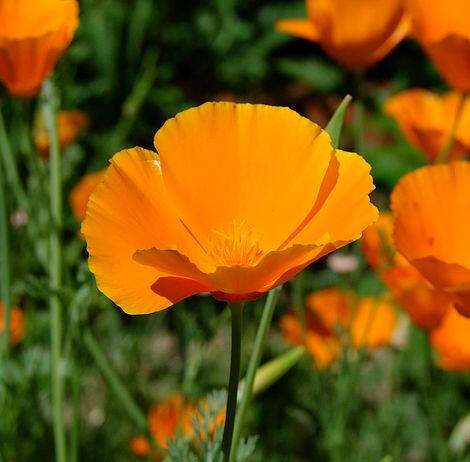
California Poppy
Eschscholzia californica - Native to California and the state flower. California Native peoples (including the Cahuilla and Luiseno) used it as a mild sedative and pain reliever, especially for headaches and toothaches. (Icon: medicine, pollinator)
Hummingbird Sage
Salvia spathacea - The Chumash and other tribes used it for colds, coughs, and as a calming tea. (Icon: medicine, pollinator, food)
Columbine
Aquilegia spp. - California Native peoples used parts of the plant medicinally, often for heart conditions or as a love charm, though uses varied by tribe. (Icon: medicine, pollinator)
Wild Rose
Rosa californica - California Native peoples used rose hips as a vitamin C-rich food, and stems for tools and basketry. (Icon: craft, food, pollinator)
Coreopsis
Coreopsis spp. - Indigenous groups used certain species for natural dyes and medicinal teas. (Icon: craft, medicine, pollinator)
Wild Ginger
Asarum caudatum - Used by Californa Native peoples as a spice substitute and medicinally for stomach ailments (used carefully). (Icon: food, medicine)
Yellow Stem Dogwood
Cornus sericea - California Native peoples used the bark for medicinal teas, and stems for basketry and arrows. (Icon: craft, medicine, pollinator)
Dutchman's Pipevine
Aristolochia californica - Important host plant for the California pipevine swallowtail butterfly; used cautiously in traditional medicine due to toxicity. (Icon: medicine, pollinator)
Spirea
Spiraea spp. - Some species are native to California. California Native peoples used it medicinally for pain relief; the name "aspirin" is linked to compounds found in related plants. (Icon: medicine, pollinator)
Mint
Mentha spp. - Some species are native, many are introduced. Widely used by California Native peoples for digestive issues, colds, and teas. (Icon: food, medicine, pollinator)
Cinquefoil
Potentilla spp. - Native to California (some species), others non-native depending on species (Icon: medicine, pollinator)
Coyote Mint
Monardella villosa - Native to California (Icon: food, medicine, pollinator)
Lady Fern
Athyrium filix-femina - Native to California (Icon: craft, medicine)
California Honeysuckle
Lonicera hispidula - Native to California (Icon: pollinator)
Southern Maidenhair Fern
Adiantum capillus-veneris - Native to California (Icon: medicine, craft)
Butterfly Bush
Buddleja davidii - Non-native; naturalized in some areas of California (Icon: pollinator)
Rosy Pussytoes
Antennaria rosea - Native to California (Icon: pollinator)
Silk Tassel Bush
Garrya elliptica - Native to California (Icon: pollinator)
Mexican Lobelia
Lobelia laxiflora - Non-native to California (Icon: pollinator, medicine)
California Fescue
Festuca californica - Native to California (Icon: craft)
Catalina Perfume
Ribes viburnifolium - Native to California (Icon: pollinator)
Fuchsia-flowering Currant
Ribes speciosum - Native to California (Icon: pollinator)
Purpletop Verbena
Verbena bonariensis - Non-native; naturalized in parts of California (Icon: pollinator)
Rose Campion
Silene coronaria (formerly Lychnis coronaria) - Non-native; naturalized in California (Icon: pollinator)
Clemantis Ground Cover
Clematis spp. - Status varies by species; some native to California, others non-native or naturalized (Icon: craft, medicine, pollinator)
California Buttercup
Ranunculus californicus - Native peoples, including groups like the Miwok, Pomo, and Nisenan, utilized the seeds by gathering, drying, and roasting them. These seeds were then ground into a nutrient-rich flour (pinole) used to make bread, cakes, and porridge, yielding a nutty flavor often compared to popcorn.Contains a toxin (ranunculin) that makes the raw plant, fresh leaves, and seeds highly poisonous and acrid, causing severe stomach upset, vomiting, and skin irritation. Native groups utilized specialized processing and parching to safely neutralize these toxins before consumption. Highly beneficial to pollinators. Its bright yellow, glossy blooms emerge early in the spring, making them an essential early-season food source for hungry beneficial insects after winter.
Island Snapdragon
Gambelia specieosa - The plant's primary utility is ecological, as its brilliant red, tubular flowers provide a vital, year-round nectar source for hummingbirds. It also acts as a larval food source for the Checkerspot butterfly.
Spicebush
Calycanthus occidentalis - The shrub is deer-resistant and provides excellent refuge and nesting sites for small birds and local pollinators. Native Californian peoples, including groups across the Coast Range and Sierra Nevada foothills, traditionally utilized the flexible wood of the Western spice bush to craft straight, durable arrow shafts.
Pineapple Sage
Salvia elegans - Non-native to California. The leaves and flowers are edible and have a sweet pineapple-like fragrance and flavor. They are commonly used fresh in teas, fruit salads, desserts, jellies, and beverages. Its bright red tubular flowers are highly attractive to hummingbirds, butterflies, bees, and other pollinators, especially in late summer and fall when nectar sources may be scarce. In its native range of Mexico, pineapple sage has also been used traditionally in herbal remedies for anxiety, digestive discomfort, and respiratory ailments.